

Rebranding is an exciting step for any business. It can reflect growth, introduce a clearer positioning, or bring your visual identity closer to the quality of your work.
But for existing customers, change can also create uncertainty. When a familiar name, logo, or website suddenly looks different, people may wonder: Is this the same company? Will the quality change? Can I still expect the service I know?
A successful rebrand answers those questions. It gives customers a clear reason to embrace the change while protecting the familiarity and experiences that earned their trust.
1. Start With a Clear Reason for Change
Before exploring new colours or logo concepts, define why your business needs a rebrand.
Perhaps your services have expanded, your positioning has become unclear, or your identity no longer reflects the customers you serve. Whatever the reason, it should guide the decisions that follow.
Ask yourself:
- What is no longer working about our current brand?
- What should the new identity communicate?
- How will this change help our customers understand us better?
- Which parts of our business will remain consistent?
“Looking more modern” is a starting point, but a stronger brief connects design decisions to a specific business need.
2. Understand What Customers Already Value
Your brand exists in the experiences and associations people have with your business. A logo is only one part of that relationship.
Before making changes, speak with existing customers and your customer-facing team. Find out what people recognise, what they appreciate, and what makes them choose you.
You might discover that a particular colour feels familiar, your straightforward communication earns confidence, or your personal service is the strongest reason customers return.
These insights help you decide what to preserve, what to refine, and what you can confidently leave behind.
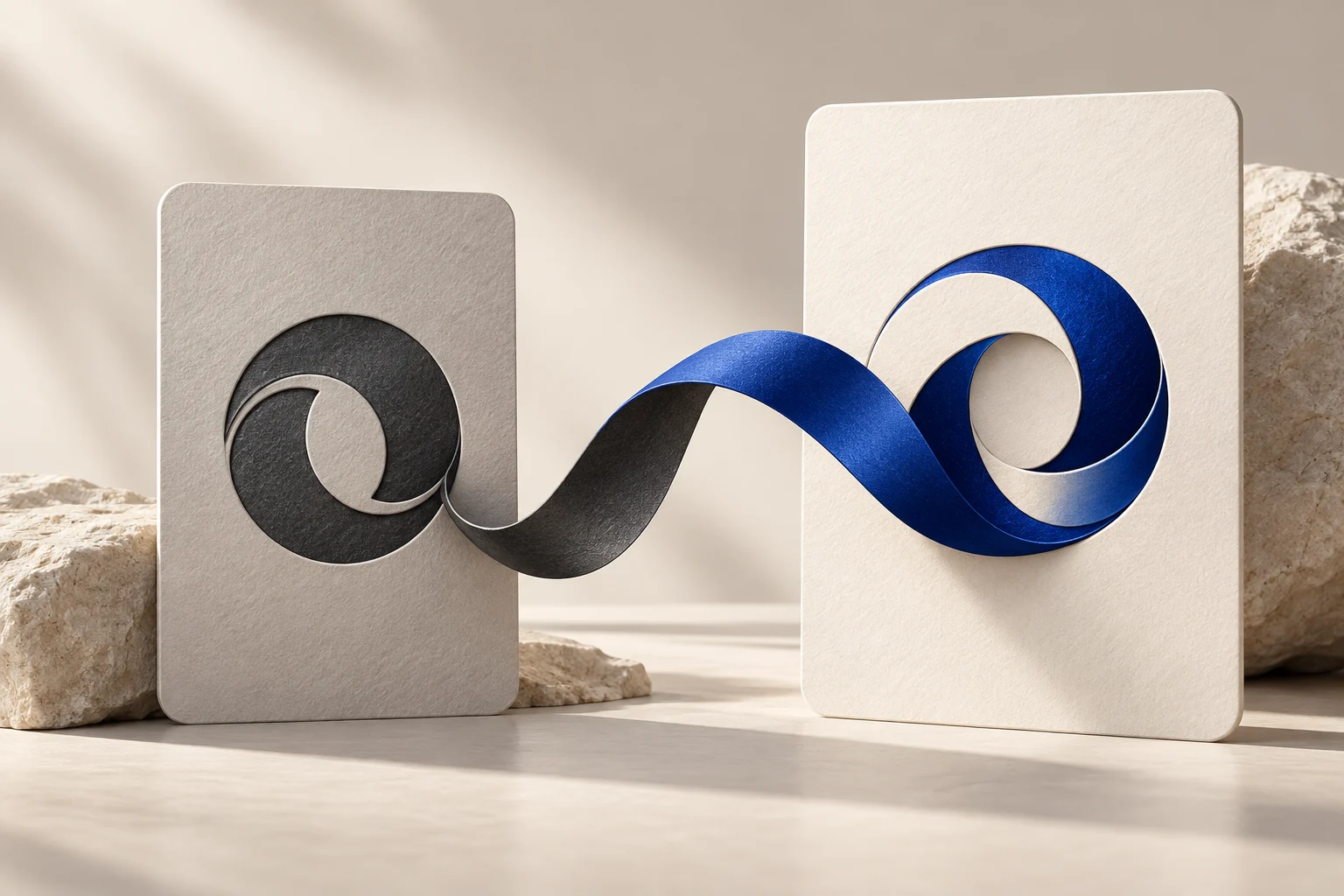
3. Build a Bridge Between the Old and New Identity
A rebrand does not always require starting from zero. Sometimes, the most effective approach is an evolution that keeps recognisable elements while improving how they work.
You could refine an existing symbol, retain a signature colour, or carry a familiar tone of voice into a new visual system.
When a larger change is necessary, provide a clear connection between the identities. For a name change, a temporary “Previously known as…” message can help customers recognise your business.
The goal is to make the transition understandable. Customers should not have to investigate whether they have arrived at the right place.
4. Explain the Change Through the Customer’s Perspective
Your internal reasons for rebranding may include growth plans or a new strategic direction. Customers also need to understand what the change means for them.
A launch announcement should explain:
- Why the brand is changing.
- What customers will notice.
- What will stay the same.
- Whether they need to take any action.
- Where they can ask questions.
Be specific and accurate. If your team, ownership, services, or processes are changing too, explain those changes openly. Reassurance works best when it reflects what customers will actually experience.
5. Prepare Your Team Before the Launch
Your team will help customers make sense of the new brand. Give them the information and tools they need before the public announcement.
Prepare a short explanation of the rebrand, answers to likely questions, and updated materials such as email signatures, proposals, and presentation templates.
Make sure everyone understands both the new identity and the promises behind it. A polished website can lose credibility quickly if customers receive conflicting explanations from different people.
6. Plan a Consistent, Practical Rollout
List every place customers encounter your brand: your website, social profiles, emails, packaging, invoices, signage, and business listings.
Prioritise the most visible touchpoints and set a realistic update schedule. If the rollout happens in stages, explain the transition so customers understand why they may see both identities temporarily.
Pay particular attention to continuity. If your domain changes, plan redirects and test important links. Check that contact details, enquiry forms, and purchasing journeys work correctly.
Good design helps people recognise the new brand. A smooth experience gives them reasons to trust it.
7. Listen After Launch and Follow Through
A rebrand continues beyond launch day. Monitor customer questions, feedback, and points of confusion.
Distinguish between personal design preferences and practical problems. Someone preferring the old logo is different from customers being unable to recognise your emails or find an important service.
Clarify confusing messages, fix usability issues, and keep delivering on your commitments. If the new identity promises a simpler, more responsive experience, customers should see that promise reflected in everyday interactions.
Make Change Feel Like Progress
Customer trust grows through consistency between what a business says and what it does. Your new identity should strengthen that connection.
Start with a clear purpose, preserve what customers value, communicate honestly, and support the change with dependable service. That is how a rebrand becomes a meaningful next chapter for both your business and the people who already believe in it.
Planning a new chapter for your brand? Connect with Design Therapist to discuss a thoughtful direction for your brand’s next identity.