

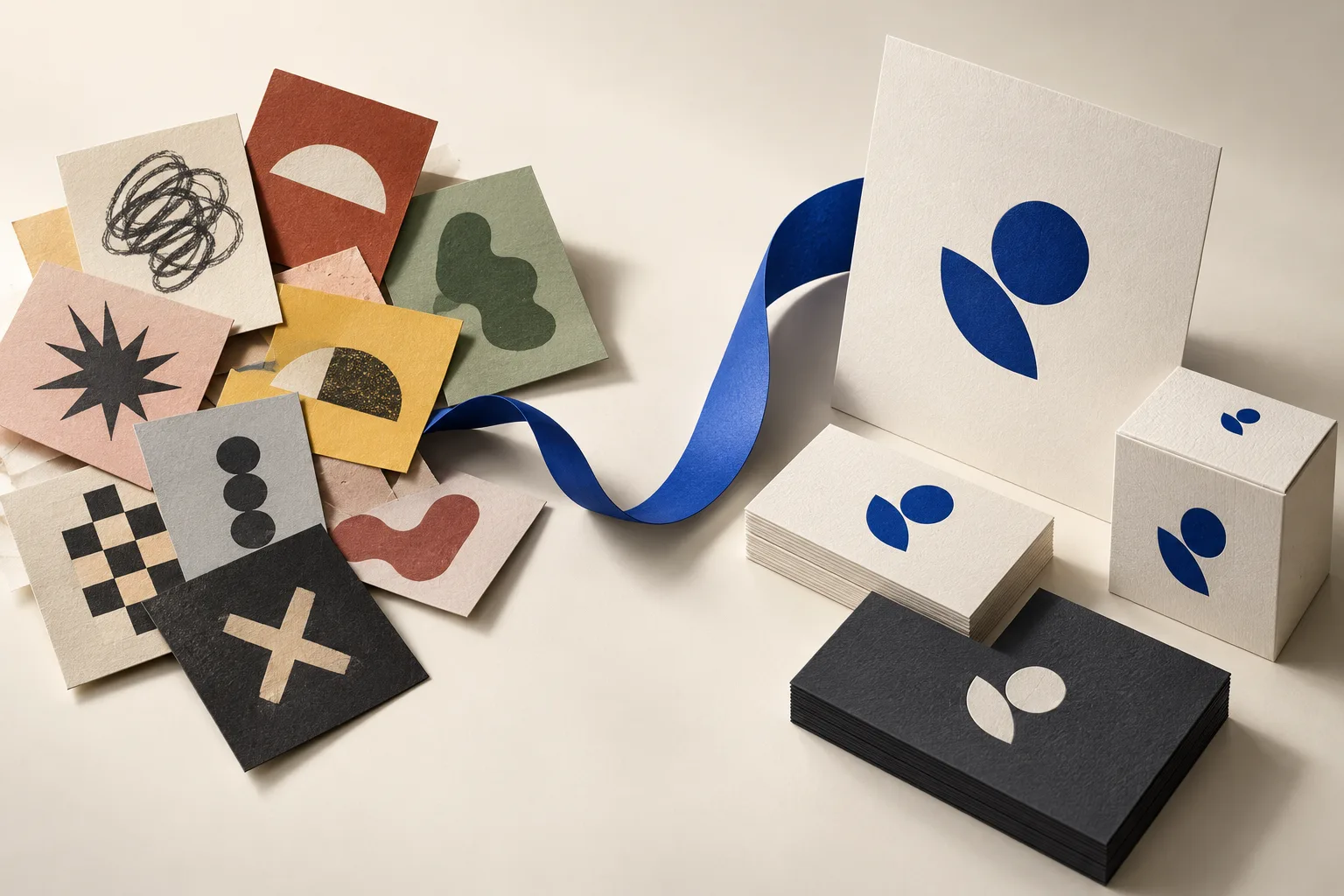
Every interaction with your business creates an impression. Your website, social media posts, packaging, proposals, and customer service all shape how people understand and remember your brand.
As you plan for 2027, strengthening that impression deserves more than a fresh colour palette or a redesigned logo. Your identity should communicate what makes your business valuable and reflect the experience customers can expect.
Here are seven branding mistakes to watch for and practical ways to avoid them.
1. Starting With Design Before Defining Your Strategy
Choosing colours and fonts can feel like progress, but those decisions become difficult to evaluate without a clear direction. A design may look attractive while communicating the wrong personality or failing to connect with your audience.
Without a strategy, feedback often becomes a discussion of personal preferences.
How to avoid it
Before beginning design work, define:
- Who your business serves.
- What problem you help customers solve.
- Why someone should choose your business.
- What qualities your brand should communicate.
Use these answers as a brief. They give your team a shared basis for making decisions and help connect the visual identity to a business purpose.
2. Treating Your Logo as the Whole Brand
Your logo identifies your business, but customers rarely experience it in isolation. They see it alongside headlines, images, product information, and the way your team communicates.
A strong logo cannot create consistency if every other element changes from one touchpoint to another.
How to avoid it
Develop a complete identity system around your logo. Include a defined colour palette, typography, image direction, supporting graphics, and tone of voice.
Test these elements together on materials your business actually uses, such as a website page, proposal, business card, or product label. The system should feel connected while allowing enough flexibility for different formats.
3. Copying Competitors or Following Every Design Trend
Looking at competitors can help you understand your market. Copying their visual style, however, can make your business harder to distinguish.
The same problem arises when you adopt a trend simply because it looks popular. A fashionable treatment may not suit your audience or remain useful across your brand’s applications.
How to avoid it
Use research to identify opportunities for differentiation. Look for ways to express your business’s specific personality, expertise, or approach.
Before adopting a visual trend, ask:
- Does it fit our brand?
- Does it improve clarity?
- Can we apply it consistently?
- Would it still serve a purpose without its popularity?
Keep your core identity recognisable and use campaign graphics for more temporary creative experimentation.
4. Being Inconsistent Across Customer Touchpoints
A business can appear polished on its website yet use outdated logos in proposals, different colours on social media, and conflicting messages in emails.
These inconsistencies often develop when teams lack shared guidelines or cannot find the correct files.
How to avoid it
Create a practical brand guide covering logo usage, colours, typography, imagery, and messaging. Store approved assets in a shared location and clearly identify current versions.
Prepare templates for frequently used materials. Review your main customer touchpoints periodically, especially after a brand update or when a new supplier starts working with your business.
Consistency should be easy for your team to maintain.
5. Publishing Generic Content Without a Clear Brand Voice
Content can be grammatically correct and visually polished while saying very little. Broad claims, repetitive captions, and interchangeable advice give people few reasons to remember your business.
AI-generated drafts and ready-made templates also need careful review to ensure they reflect your actual expertise and identity.
How to avoid it
Define how your brand should sound, using examples your team can follow. A few clear principles—such as straightforward, informed, and approachable—are more useful when paired with sample wording.
Make your content specific by including relevant questions, practical explanations, and genuine examples from your work. Check factual claims and remove language that exaggerates what you offer.
Use production tools to support your thinking while keeping editorial responsibility with your team.
6. Making Promises Your Customer Experience Cannot Support
Words such as “premium,” “seamless,” and “customer-first” create expectations. When the experience falls short, the gap can weaken confidence in your brand.
For example, a business that promises simplicity should make it easy to understand its services, submit an enquiry, and find out what happens next.
How to avoid it
Connect each major brand promise to a practical action.
If responsiveness matters to your positioning, set realistic expectations for replies. If your service is personal, give customers a clear point of contact. If transparency is central to your brand, explain your scope and process clearly.
Review where customers encounter confusion or friction, and improve those experiences alongside your visual presentation.
7. Rebranding Without Understanding What Customers Value
A team may grow tired of its identity while customers are still learning to recognise it. Changing familiar elements without a clear reason can discard useful recognition and create unnecessary confusion.
A redesign should address an identified problem, such as unclear positioning, poor usability, or an identity that no longer reflects the business.
How to avoid it
Gather input from existing customers and customer-facing staff before making significant changes. Find out what people recognise, what they appreciate, and what they misunderstand.
Use that insight to decide what to preserve and what to improve. Sometimes, a focused refresh is enough. When a larger change is necessary, explain why it is happening and what it means for customers.
Build a Stronger Brand for 2027
Start your branding plans with a review of how your business presents itself today. Is your message clear? Do your materials feel connected? Does the customer experience support your promises?
Prioritise the gaps that affect understanding, recognition, and confidence. Clearer messaging or a more consistent identity may be more useful than changing everything at once.
A strong brand develops through thoughtful choices repeated over time. Make your business easy to understand, give it a distinctive identity, and deliver the experience you promise.
Looking to strengthen your brand in 2027? Connect with Design Therapist to discuss your branding, logo, and identity design needs.